Korean Glass Skin Treatments: What Actually Helps?
Korean Glass Skin Treatments: What Actually Helps?
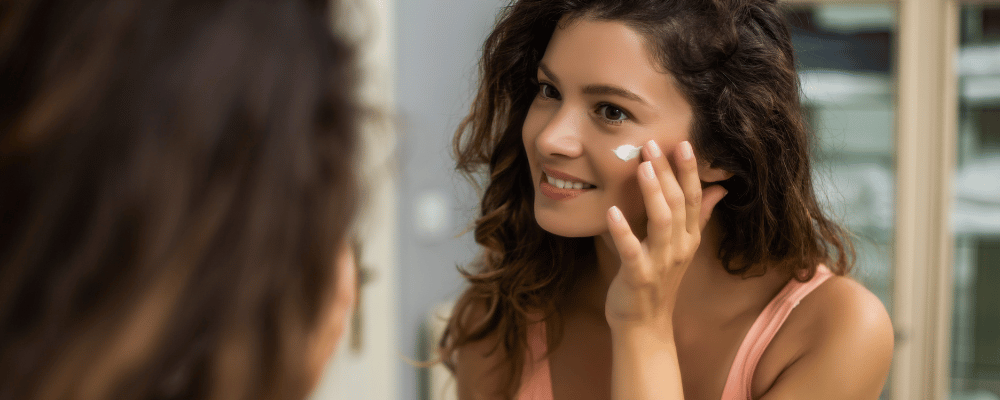
“Glass skin” is one of the most popular Korean beauty concepts, describing skin that looks smooth, hydrated, even-toned, and naturally luminous.
However, glass skin is not a single treatment or medical procedure. The appearance usually depends on several factors, including hydration, skin texture, pigmentation, pores, and overall skin condition.
For international visitors, the key is to choose treatments based on the specific reason your skin does not currently have the appearance you want.
What Does “Glass Skin” Actually Mean?
Glass skin generally refers to skin that looks:
- Smooth and refined
- Well hydrated
- Even in tone
- Clear and luminous
- Soft in texture
- Healthy and supple
It does not necessarily mean completely poreless or perfectly flawless skin.
Your skin type, genetics, age, pigmentation, acne history, and daily skincare routine all affect how your skin looks. Professional treatments can improve certain concerns, but they cannot permanently create a completely poreless complexion.
Which Korean Treatments Can Help With Glass Skin?
1. Skin Boosters for Hydration and Skin Quality
Skin boosters are frequently associated with the Korean glass skin look.
Treatments such as Rejuran, Juvelook, PDRN-based boosters, and hyaluronic acid skin boosters may be used to improve hydration, elasticity, texture, and overall skin quality.
Because many skin boosters involve injections, temporary swelling, redness, or small bumps can occur.
2. Laser Toning for Uneven Skin Tone
Even skin tone is an important part of a luminous complexion.
Laser toning may be considered for certain types of pigmentation, freckles, and uneven tone. It is often performed with relatively little downtime, although treatment settings and recovery vary.
For melasma, a careful assessment is important because overly aggressive treatment may aggravate pigmentation.
3. Pico Laser for Pigmentation and Acne Marks
Pico laser may be used for pigmentation, freckles, acne marks, and certain texture concerns.
Depending on the treatment mode, some patients experience minimal redness, while stronger treatments can cause temporary peeling or scabbing.
4. RF Microneedling for Pores and Texture
If enlarged pores and uneven texture are preventing a smooth appearance, RF microneedling may be considered.
The treatment combines microneedling with radiofrequency energy to stimulate collagen remodeling. It can be used for certain types of enlarged pores, acne scars, and uneven texture.
Several days of redness or irritation may occur depending on the treatment intensity.
5. Aqua Peel and Hydration Facials
Aqua Peel and similar facial treatments focus on cleansing, exfoliation, extraction, and hydration.
These treatments can be a convenient option for tourists who want a refreshed appearance without significant downtime. However, their effects are generally more temporary than treatments designed to stimulate deeper skin remodeling.
6. Chemical Peels
Certain chemical peels can improve surface texture, dullness, and uneven tone by removing damaged outer skin cells.
The type and strength of the peel should be selected according to your skin condition. Stronger peels may involve visible peeling and require more recovery time.
What About Botox for Glass Skin?
Skin Botox, also called intradermal or micro-Botox in some settings, is sometimes used to create a smoother-looking skin surface.
It may help reduce the appearance of fine lines and can affect oil production or skin texture in some treatment approaches.
Traditional Botox, however, is primarily used for muscle-related wrinkles and facial contouring. It is different from treatments primarily designed to improve hydration or overall skin quality.
Can Lifting Treatments Create Glass Skin?
Treatments such as HIFU, Ultherapy, and RF lifting are mainly designed to address skin laxity and firmness rather than hydration or pigmentation.
They may complement a broader skin rejuvenation plan if loss of firmness is contributing to an aged or tired appearance, but they are not specifically “glass skin treatments.”
Choosing a lifting procedure simply because it is popular may not address your main concern if hydration, pigmentation, or texture is the bigger issue.
What Actually Makes the Biggest Difference?
A glass skin appearance usually requires several skin characteristics to work together.
Hydration
Well-hydrated skin reflects light more evenly and can appear smoother and more luminous.
Even Skin Tone
Pigmentation, redness, and acne marks can make skin look less uniform. Appropriate laser or other treatments may help address specific concerns.
Smooth Texture
Enlarged pores, acne scars, and roughness can affect the appearance of smooth skin. Treatments should be selected according to the underlying cause.
Consistent Skincare
Professional treatments are not a replacement for daily skincare. Gentle cleansing, moisturizer, and consistent sun protection are important for maintaining skin quality.
Can You Get Glass Skin During a Short Korea Trip?
You may be able to improve the appearance of your skin during a short visit, but significant skin remodeling usually takes longer.
For a short trip, treatments with limited downtime may be easier to schedule. Hydration-focused facials and some gentle laser treatments can provide a refreshed appearance, while injectable or energy-based procedures may require more recovery.
If you have a photoshoot or important event, ask about temporary redness, swelling, bruising, or peeling before treatment.
Should You Combine Several Glass Skin Treatments?
Combination treatments are common in Korean aesthetic clinics, but more procedures do not necessarily produce better results.
For example, a treatment plan may address pigmentation with a laser and hydration with a skin booster. Another patient may need pore or acne scar treatment instead.
The combination should be based on your skin condition, previous treatments, tolerance, and goals.
Frequently Asked Questions
What is the best Korean treatment for glass skin?
There is no single treatment that creates glass skin for everyone. Skin boosters, laser treatments, hydration facials, and texture-focused procedures may all play different roles depending on your skin concerns.
Is Rejuran a glass skin treatment?
Rejuran is often chosen by patients seeking smoother, more hydrated, and healthier-looking skin. It is one option for improving skin quality, but it does not address every cause of dullness, pigmentation, or uneven texture.
How can I get glass skin quickly in Korea?
A professional consultation can identify which concerns are most noticeable and which treatments have suitable downtime for your schedule. Some treatments can provide a temporary refreshed appearance, while collagen remodeling and pigmentation improvement may take longer.
Can laser treatments make my skin look brighter?
Certain laser treatments may improve the appearance of pigmentation and uneven skin tone. The appropriate laser and settings depend on the specific skin concern and skin type.
How long does Korean glass skin last?
There is no fixed duration. Treatment effects vary by procedure, skin condition, lifestyle, skincare routine, and sun exposure. Maintaining results generally requires consistent skincare and appropriate follow-up treatments.
Is glass skin possible for every skin type?
Different skin types can achieve healthier, smoother, and more hydrated-looking skin, but the final appearance varies from person to person. Treatment should be customized according to skin tone, sensitivity, pigmentation, acne history, and other individual factors.
Final Takeaway
Korean glass skin is not created by one magic procedure. A luminous complexion usually comes from improving several factors at once, including hydration, skin texture, pigmentation, pores, and overall skin quality.
Depending on your concerns, Korean treatments such as skin boosters, laser toning, Pico laser, RF microneedling, Aqua Peel, and selected chemical peels may be considered.
For international visitors, the most practical approach is to identify the specific issue affecting your skin and choose treatments around your goals, downtime, budget, and travel schedule rather than simply booking the latest glass skin trend.